### Adelaide to Ikara Flinders Ranges
We leave Adelaide before sunrise and head north into South Australia’s outback, watching the city slowly give way to rolling farmland and country towns.
Our first stop is Wirrabara, where colourful silo art brings local stories to life and the town bakery gives us a proper country welcome. It is an easy start to the day and a good chance to settle into the road trip.
From here, we continue deeper into Adnyamathanha Country and towards Arkaroo Rock. Hidden within the ranges, this 3.2 km walk leads us through native bushland to an ancient rock shelter decorated with ochre and charcoal artwork believed to be thousands of years old. Along the way, we hear the story of Akurra, the giant serpent whose movements shaped the landscape according to Adnyamathanha tradition.
For many travellers, the Flinders Ranges comes as a surprise. Less visited than Australia’s better known icons, this landscape feels older, quieter and deeply connected to the stories held within it.
“ One of Australia’s most underrated outback regions, and often one people wish they had discovered sooner.”
By late afternoon, we arrive at Ikara Wilpena Pound, our base for the night. Surrounded by rugged ranges and ancient landscapes, this is where the outback begins to feel properly real. Depending on timing and availability, we may have the opportunity to hear stories and learn more about Adnyamathanha and Yura culture, adding another layer of meaning to the country we have travelled through.
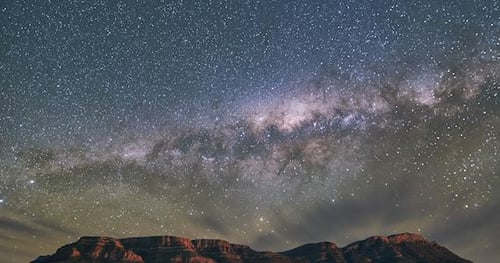
Back at camp, we settle in for dinner before rolling out our swags beneath a huge sky scattered with stars.
**Accommodation**: Swag camping with amenities at Discovery Parks Wilpena Pound
**Meals**: Dinner
**Distance Travelled**: Approx. 450 km
### Ikara Flinders Ranges National Park
This morning, we lace up our boots for the Wangara Lookout Hike, beginning from the Wilpena Pound Visitor Centre and winding through Pound Gap beneath towering river red gums.
The Flinders is not about polished viewpoints or crowded walking trails. It is a place that feels raw and genuinely remote, where the landscape does most of the talking.
“ The kind of outback scenery that feels far removed from the Australia most travellers expect.”
After the hike, we travel into Hawker for lunch and a stop at the Jeff Morgan Gallery, home to panoramic paintings that capture life and history across the region.
Later, we continue towards Warren Gorge, where the rugged scenery shifts again to burnt orange cliffs, native cypress pines and rocky creek beds. Depending on the group’s energy and weather conditions, there may be the option to explore the gorge on foot and keep an eye out for the rare yellow footed rock wallabies that call this area home.
Tonight, we set up camp at Warren Gorge and settle into another evening beneath the stars.
Set up camp at beautiful Warren Gorge for dinner, stories, and stargazing.
**Accommodation**: Swag camping at Warren Gorge (toilets available, no showers)
**Meals**: Breakfast, Dinner
**Distance Travelled**: Approx. 200 km
### Flinders Ranges to Coober Pedy
This morning, we leave the Flinders behind and continue north into the South Australian outback.
After a stop in Port Augusta, the landscape opens into vast saltbush plains and wide desert country. The roads stretch long and straight, and the feeling of remoteness grows with every kilometre. Midway through the journey, we stop at Lake Hart, where white salt flats stretch to the horizon and the silence feels almost unreal. It is a good place to pause, take in the scale of the outback and watch the colours shift across the landscape.
“ A reminder that out here, the landscape itself becomes part of the journey.”
By late afternoon, we arrive in Coober Pedy, one of Australia’s most unusual towns and the self proclaimed opal capital of the world. We begin at the Old Timers Mine, learning how opals formed beneath the desert and how generations of miners built an entire underground way of life. There is also the chance to try noodling, searching through old mine tailings for overlooked pieces of opal.
Tonight, we stay underground at Radeka Downunder, where the cool underground rooms are part of the experience itself. The evening is yours to explore Coober Pedy at your own pace. Grab dinner, visit an underground bar or simply wander this strange and unforgettable outback town.
“ Sleeping underground in the middle of the desert is about as uniquely Australian as it gets.”
**Accommodation**: 5-share dorm at Radeka Downunder
**Meals**: Breakfast
**Distance Travelled**: Approx. 620 km
### Coober Pedy to Watarrka/Kings Canyon
Today is one of the biggest driving days of the trip, and one that shows just how vast central Australia really is.
Leaving Coober Pedy behind, we travel north past the Dingo Fence and into Kanku Breakaways Conservation Park. The landscapes here feel almost unreal, with layered mesas, wide open plains and colours shifting across the desert as the light changes. Crossing into the Northern Territory, the scenery continues to shift as we make our way towards Watarrka National Park, home to Kings Canyon.
By late afternoon, we arrive at Kings Creek Station, where there is time to cool off in the pool, explore the station or simply relax and watch the desert settle into evening.
Dinner tonight is enjoyed at the station before another night camping beneath outback skies.
“ Big skies, red dirt and camp beneath the stars, this is the outback many travellers come to Australia hoping to experience.”
**Accommodation**: Swag camping with amenities at Kings Creek Station
**Meals**: Breakfast
**Distance Travelled**: Approx. 770 km
### Watarrka/Kings Canyon to Uluru
It is an early start this morning as we head into Watarrka National Park for the famous Kings Canyon Rim Walk, one of Central Australia’s most rewarding hikes. The 6 km circuit takes us high above towering sandstone walls and through landscapes that feel ancient and unexpected. Kings Canyon catches a lot of people off guard. The scale, colours and changing scenery often make this one of the most memorable walks of the journey.
“ The kind of walk that reminds you just how wild Central Australia really is.”
After lunch, we continue deeper into the Red Centre towards Uluru Kata Tjuta National Park. Before sunset, we visit the Cultural Centre to learn more about Aṉangu culture, traditional knowledge and the stories connected to this remarkable landscape. Spending time here adds important context to the country we are travelling through and helps deepen the experience before seeing Uluru itself.
By late afternoon, we arrive at the sunset viewing area and watch Uluru shift through deep reds and burnt orange tones as the desert cools around us. There is no rush here, just time to sit back and take it all in. Dinner is back at camp before another night beneath the stars.
“There is a reason people travel across the world to see Uluru, and sunset is when it all starts to make sense.”
**Accommodation**: Swag camping with amenities at Ayers Rock Resort Campground
**Meals**: Breakfast, Dinner
**Distance Travelled**: Approx. 350 km
### Uluru
This morning, we head into the towering domes of Kata Tjuta for the Walpa Gorge Walk. Following the natural creek bed between steep red rock walls, the track leads us into one of the quieter corners of the national park. Named after the Pitjantjatjara word for “wind”, Walpa Gorge feels noticeably cooler and more sheltered than the open desert surrounding it. For the Aṉangu people, this is a place of cultural significance, and we explore the area with quiet respect and a deeper appreciation for the landscape around us.
Back at camp, the afternoon is yours to enjoy at your own pace. Cool off in the pool, visit the Gallery of Central Australia, join one of the resort’s cultural experiences or simply take some downtime after several big days on the road.
“ Uluru is not somewhere to rush through, and having time to simply be here is part of the experience.”
Tonight, there is the option to join the Outback BBQ and share dinner beneath the desert sky, or upgrade to the unforgettable Field of Light experience, where more than 50,000 solar powered lights glow across the desert after dark.
**Accommodation**: Swag camping at Ayers Rock Resort Campground
**Meals**: Breakfast
**Distance Travelled**: Minimal
### Uluru & Yulara
Our final morning begins early with sunrise over Uluru. As the first light moves across the desert, the colours shift across the rock and the landscape slowly comes to life. It is a simple experience, but one that usually leaves a lasting impression.
After sunrise, we head out for the guided Uluru Base Walk. Standing 348 metres high and estimated to be around 550 million years old, Uluru is more than a landmark. Walking alongside it offers a very different perspective. We pass waterholes, caves and ancient rock formations while hearing stories and cultural insights that help explain why this place matters so deeply. Shorter walking options are also available for those wanting a gentler pace.
“ Walking alongside Uluru, rather than simply looking at it, is what makes the experience stay with people.”
By late morning, we return to Desert Gardens Resort in Yulara, where our outback journey officially comes to an end.
For those departing from Uluru Airport, complimentary transfers are available from the resort. There are also bus transfers from Yulara to Alice Springs. See the Know Before You Go information below to learn more.
**Meals**: Breakfast
**Distance Travelled**: Approx. 60 km